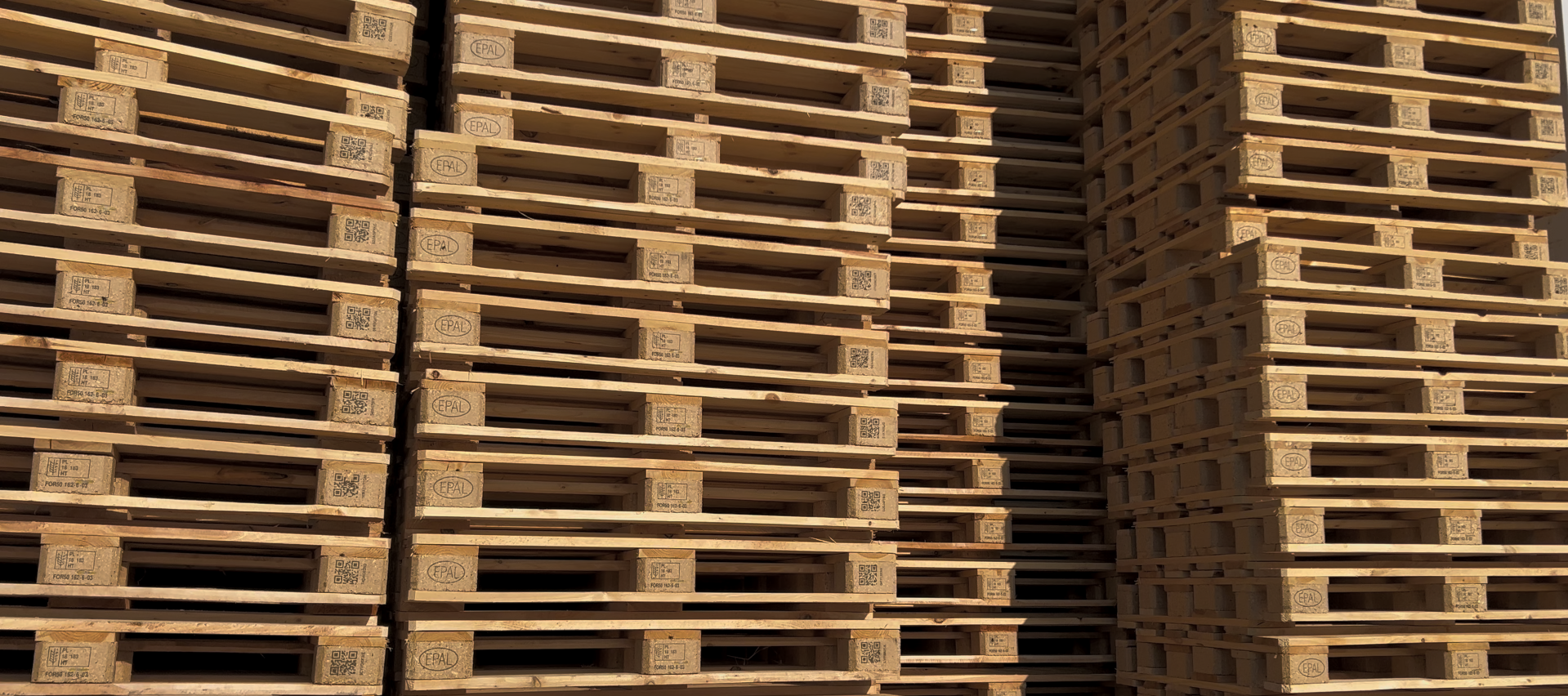
Pallets are one of the most important elements in transport, storage and the daily work of production companies, wholesalers and logistics centres. Their quality determines the safety of the goods, the efficiency of loading, the convenience of storage and the timeliness of delivery.
In practice, many companies choose pallets mainly on price. This is understandable, but not always cost-effective. A pallet that is too weak may break during transport, make unloading difficult or cause a problem when the customer collects the goods.
Therefore, when buying, it is worth looking not only at the price per piece, but also at the quality of manufacture, the availability of larger quantities, the possibility of transport and the suitability of the pallet for a particular application.
Which pallets are most often chosen by companies?
The best type of pallet depends on what goods will be transported on it, where the delivery will go and what the recipient's requirements are. Several basic types of pallets are most commonly used in companies.
EPAL pallets
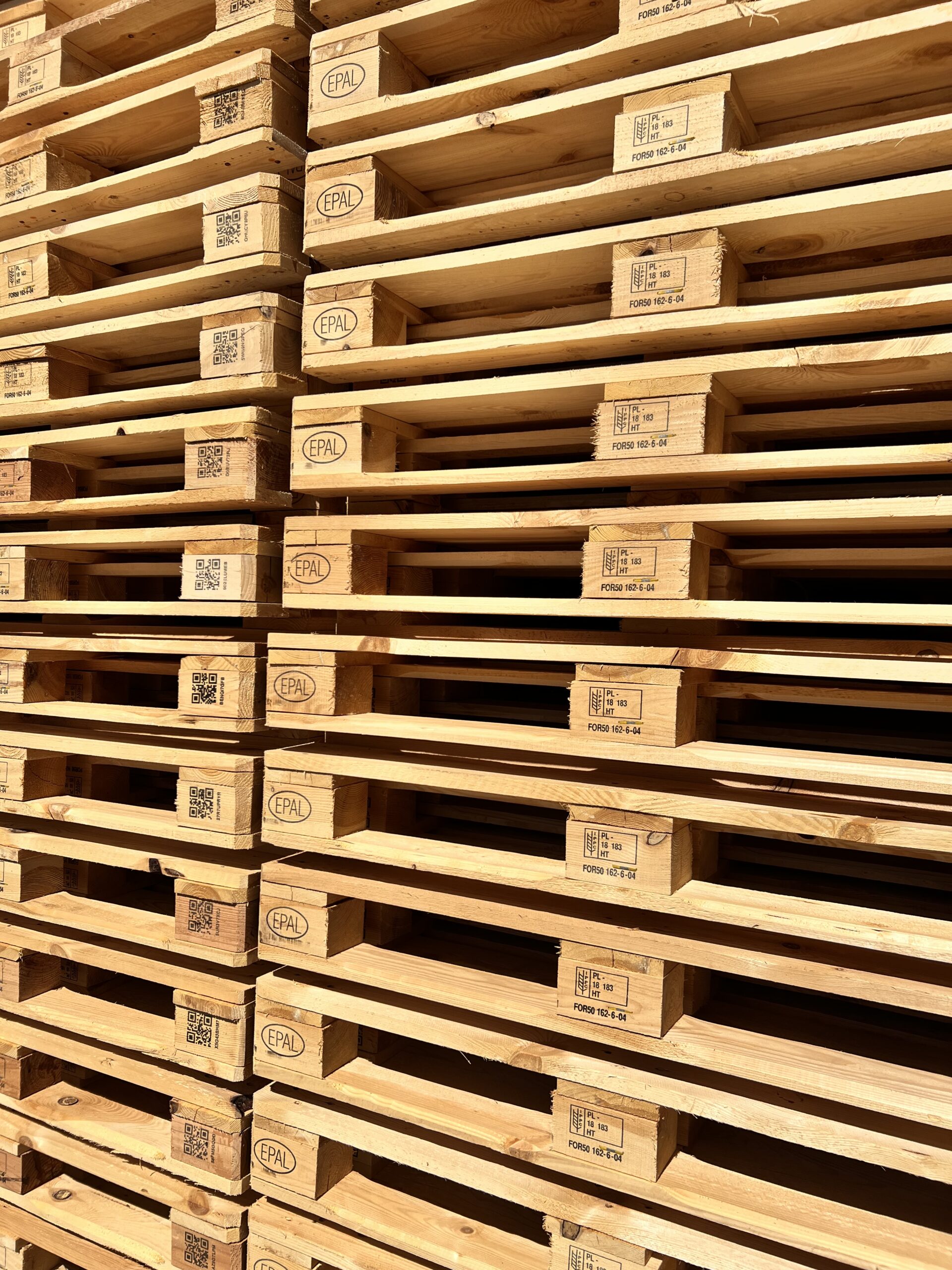
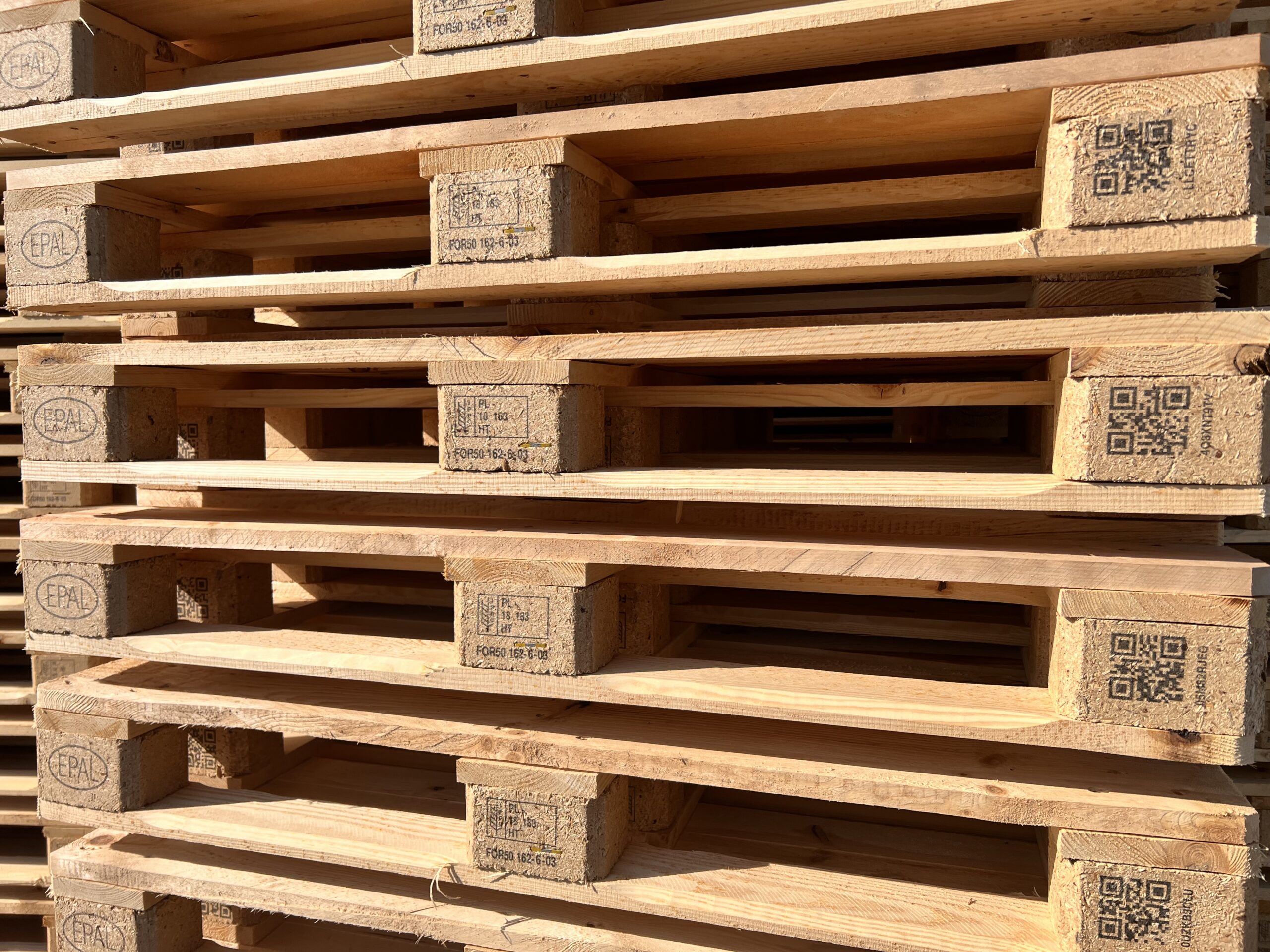
EPAL pallets are the most popular pallets in European transport and storage. The standard EPAL pallet size is 1200 × 800 mm. They are the choice of companies that need repeatable quality, compliance with the standard and a safe solution for domestic and international transport.
EPAL pallets work well for regular shipments, cooperation with large consignees, logistics centres and companies that require a specific pallet standard.
Disposable pallets
Disposable pallets are often chosen for shipments where the pallet does not return to the shipper. They can be a good solution for exports, deliveries to end customers and transporting goods with specific dimensions.
Their advantage is that the structure can be adapted to the load. In many cases they are a cheaper alternative to EPAL pallets, especially when an interchangeable standard is not required.
Industrial and non-standard pallets
Not every good fits on a standard pallet. For heavy, long or unusual products, consider industrial pallets or custom-made pallets.
Such pallets can be customised according to the size, weight and transport method of the goods. This is a good solution for manufacturers, engineering companies, industrial plants and companies shipping unusual loads.
What to look for when choosing pallets?
Before buying pallets, it is worth answering a few simple questions. This will make it easier to choose a solution that is safe and cost-effective.
1. weight of goods
The pallet must be matched to the weight of the load. With light goods, a simpler design can be used. With heavy goods, a sturdier pallet, thicker boards and stronger construction are needed.
A pallet that is too weak can cause damage to the goods, loading problems and additional claim costs.
2 Load dimensions
If the goods protrude beyond the pallet, they can be damaged more easily. Therefore, the pallet should fit the dimensions of the product, cartons or bulk packaging.
For standard shipments, an EPAL pallet is often sufficient. For non-standard products, it is better to order a pallet made to measure.
3 Recipient requirements
Some customers require a specific type of pallet. This is especially true for large warehouses, retail chains, distribution centres and foreign companies.
Before ordering, it is worth checking whether the client accepts EPAL pallets, single-use pallets, industrial pallets or IPPC pallets.
4. domestic transport or export
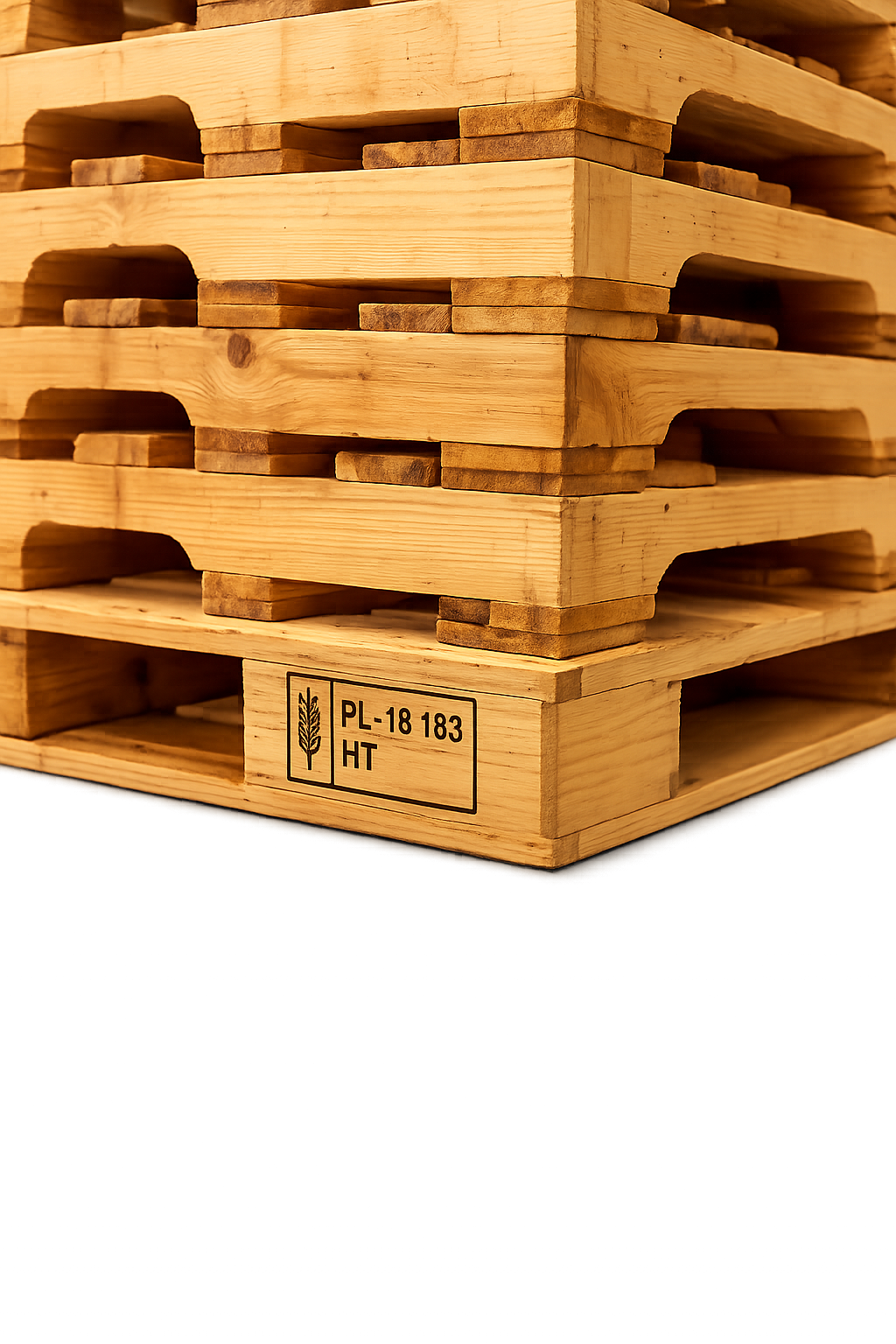
When shipping overseas, the IPPC/ISPM 15 mark can be very important. It indicates that the timber has been adequately prepared for international transport.
Lack of proper labelling can cause problems when exporting, especially when the recipient or logistics company requires compliant pallets.
5. regularity of deliveries
If your company uses pallets on a weekly or monthly basis, it is worth choosing a supplier who can provide a constant supply. Missing pallets at the right time can stop shipments, production or warehouse operations.
An on-going relationship with a pallet manufacturer gives you greater control over the quality, timing and availability of your goods.
Why isn't the price of a pallet everything?
The cheapest pallet does not always mean the lowest cost for a company. If a pallet is poorly made, unstable or mismatched to the load, it can result in a much greater loss than the saving on the purchase.
When buying pallets, it is worth comparing:
- workmanship,
- thickness and condition of the wood,
- structural stability,
- availability of larger quantities,
- completion date,
- cost of transport,
- possibility of regular cooperation.
A good pallet should not only hold the goods, but also facilitate the entire logistical process - from production to warehouse to delivery to the customer.
When is it worth buying pallets directly from the manufacturer?
Buying pallets directly from the manufacturer is a good solution for companies that need larger quantities, a steady supply or pallets tailored to a specific application.
The manufacturer can advise on the right type of pallet, suggest a design for a specific load and organise delivery directly to the company. This is particularly important in B2B cooperation, where timeliness, repeatability and fast contact are important.
Summary
The choice of pallets for a company should depend on the type of goods, the weight of the load, the requirements of the recipient, the direction of transport and the frequency of deliveries. Different pallets will work well for standard storage, others for exports and still others for unusual products.
HERB supplies pallets to manufacturing companies, warehouses, wholesalers and the logistics industry. The range includes EPAL pallets, disposable pallets, industrial pallets and custom-made pallets.
Looking for pallets for your company? Contact us and ask about our current offer with delivery.
FAQ
Which pallets to choose for the company?
EPAL pallets, disposable pallets, industrial pallets or customised pallets are the most common choices for businesses. The choice depends on the type of goods, the weight of the load, the transport and the requirements of the recipient.
What is the difference between an EPAL pallet and a disposable pallet?
The EPAL pallet has a standard size of 1200 × 800 mm and is widely used in European logistics. The single-use pallet is often used for single shipments and can be customised for specific goods.
Do pallets for export have to have IPPC?
For international transport, pallets with the IPPC/ISPM 15 mark are often required. This confirms that the timber has been properly prepared for export.
What does the price of pallets depend on?
The price of pallets depends on the type of pallet, dimensions, timber quality, construction, order quantity, production costs and transport.
Can pallets be ordered to size?
Yes. Customised pallets are a good solution for companies that transport unusual, heavy or non-standard packed goods.